Course description
Low- and middle-income countries often lack organized prehospital systems, and limited formal training for providers creates challenges for both responders and patients.Improving provider competence and patient safety requires structured education in hemorrhage control.
This course provides comprehensive training in clinical decision-making and essential technical skills to manage life-threatening bleeding. Learners are introduced to key techniques including direct pressure, wound packing, balloon tamponade, and tourniquet use. Designed for self-directed learning, the course combines didactics, virtual reality case-based scenarios, and simulation.
This course provides comprehensive training in clinical decision-making and essential technical skills to manage life-threatening bleeding. Learners are introduced to key techniques including direct pressure, wound packing, balloon tamponade, and tourniquet use. Designed for self-directed learning, the course combines didactics, virtual reality case-based scenarios, and simulation.
This course is provided by:

This course is provided by:
Course structure
Dr. Sabrina Asturias
Sabrina Asturias, MD, MSc, is Chief of Trauma and Emergency Surgery at Hospital Roosevelt in Guatemala City and Chair of Surgery at Francisco Marroquín School of Medicine. She completed a trauma surgery fellowship at Los Angeles County Trauma Center and leads the CrashSavers team. Her work focuses on trauma care in low-resource settings and prehospital training, including developing Guatemala’s first trauma registry and advancing simulation-based education for first responders.
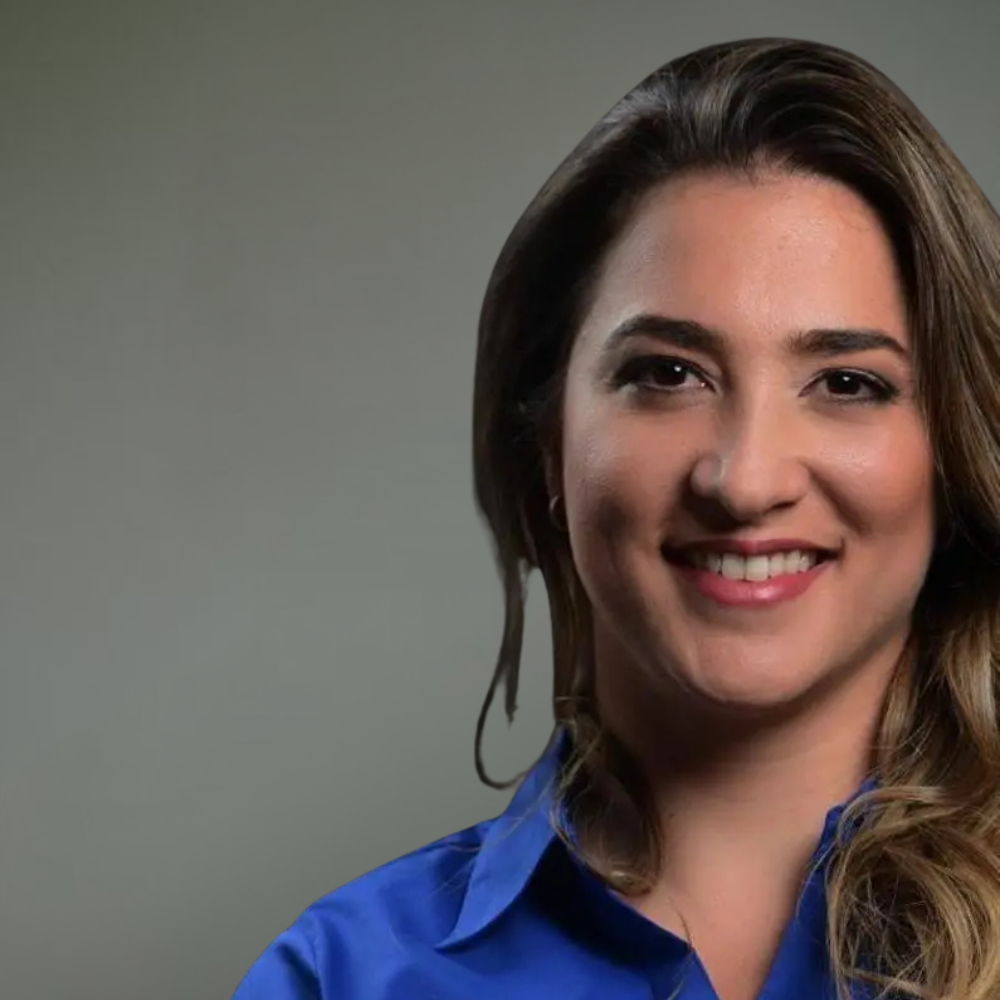
Dr. Sabrina Asturias
Chief of Trauma and Emergency Surgery at Hospital Roosevelt
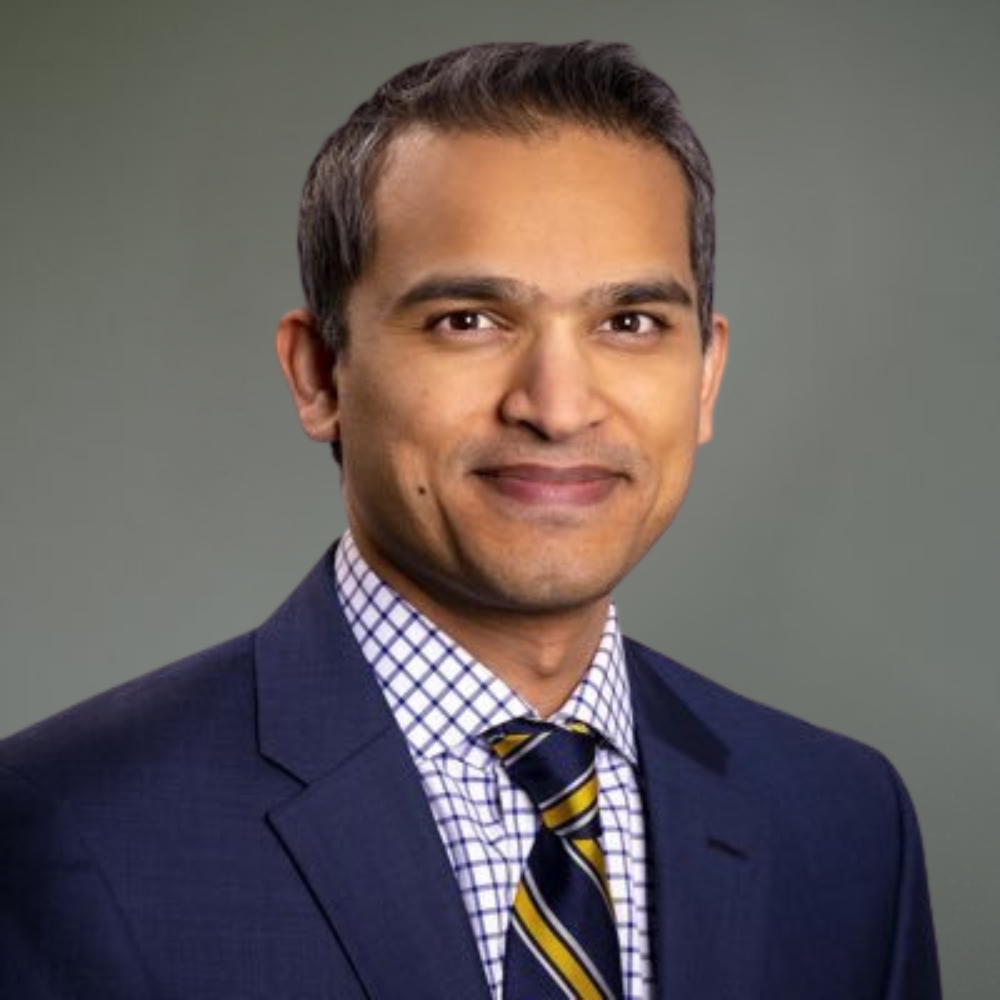
Dr. Nakul P. Raykar
Brigham and Women’s Hospital
Dr. Nakul P. Raykar
Nakul P. Raykar, MD, MPH, is a trauma surgeon and leader of the CrashSavers team, with expertise in global surgery and public health. He is Fellowship Director at the Harvard Medical School Program in Global Surgery and Social Change and Director of the Blood D.E.S.E.R.T. Coalition. His work focuses on hemorrhage control, blood transfusion strategies, and improving trauma systems in low-resource settings.
What learners are saying
This course is provided by
CrashSavers Trauma
Despite bearing the brunt of morbidity and mortality from trauma, low- and middle-income countries lack the prehospital personnel and the hospital resources to effectively deal with this burden. Recognizing that hemorrhage is responsible for the majority of these deaths, CrashSavers Trauma was created, to train first responders in low resource settings in hemorrhage control.
Popular courses
Get the SURGhub app
Take your courses with you, and download content to learn offline.


SURGhub





Thank you!
Copyright © 2026
SURGhub is designed primarily for healthcare professionals. Previous medical knowledge is required to understand the contents.The use of any information on this site is undertaken solely at your own risk, and the creators and hosts of this site shall not be liable for any damages, losses, or other injury caused by the use of any information on this site, nor for any reliance on the accuracy or reliability of such information.