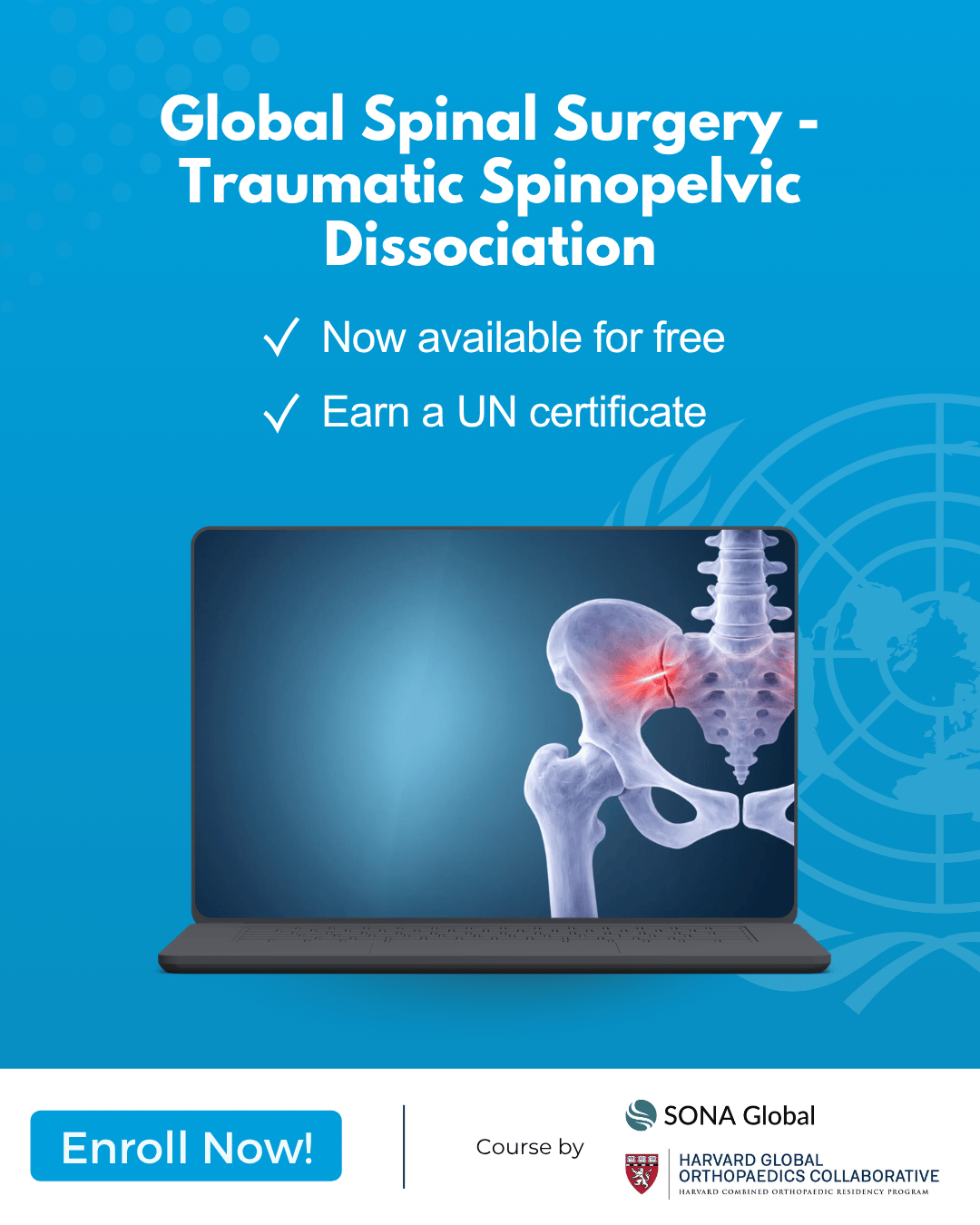
Course description
This case-based lecture reviews the acute management of high-voltage electrical burns in low-resource settings using the example of a 42-year-old farmer with forearm and hand injury. The course emphasizes the unique pathophysiology of electrical injury, including deep tissue destruction despite limited surface findings, and the systemic risks associated with high-voltage exposure.
Topics include initial trauma assessment, cardiac and renal monitoring, compartment syndrome recognition, emergent fasciotomy of the forearm and hand, staged debridement, infection prevention, rhabdomyolysis management, and wound care when advanced resources are limited. The course also explores limb salvage versus amputation decision-making, cultural considerations, and long-term rehabilitation planning.
Topics include initial trauma assessment, cardiac and renal monitoring, compartment syndrome recognition, emergent fasciotomy of the forearm and hand, staged debridement, infection prevention, rhabdomyolysis management, and wound care when advanced resources are limited. The course also explores limb salvage versus amputation decision-making, cultural considerations, and long-term rehabilitation planning.

This course is provided by:

This course is provided by:
Course structure
Dr. Tam Pham
Dr. Pham is Professor of Surgery at the University of Washington School of Medicine. He has worked in burn care for over 20 years. He is passionate about burn education and dissemination for lower resource settings.
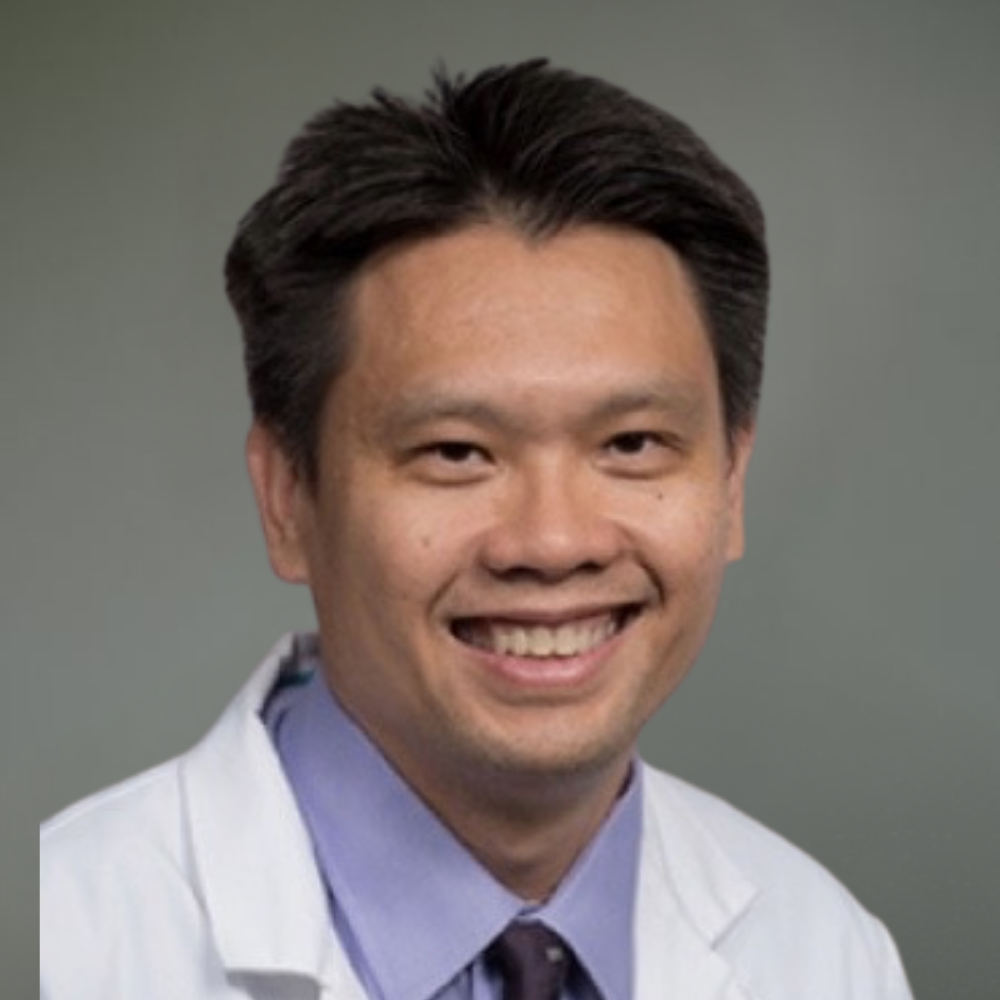
Dr. Tam Pham
Professor at University of Washington School of Medicine
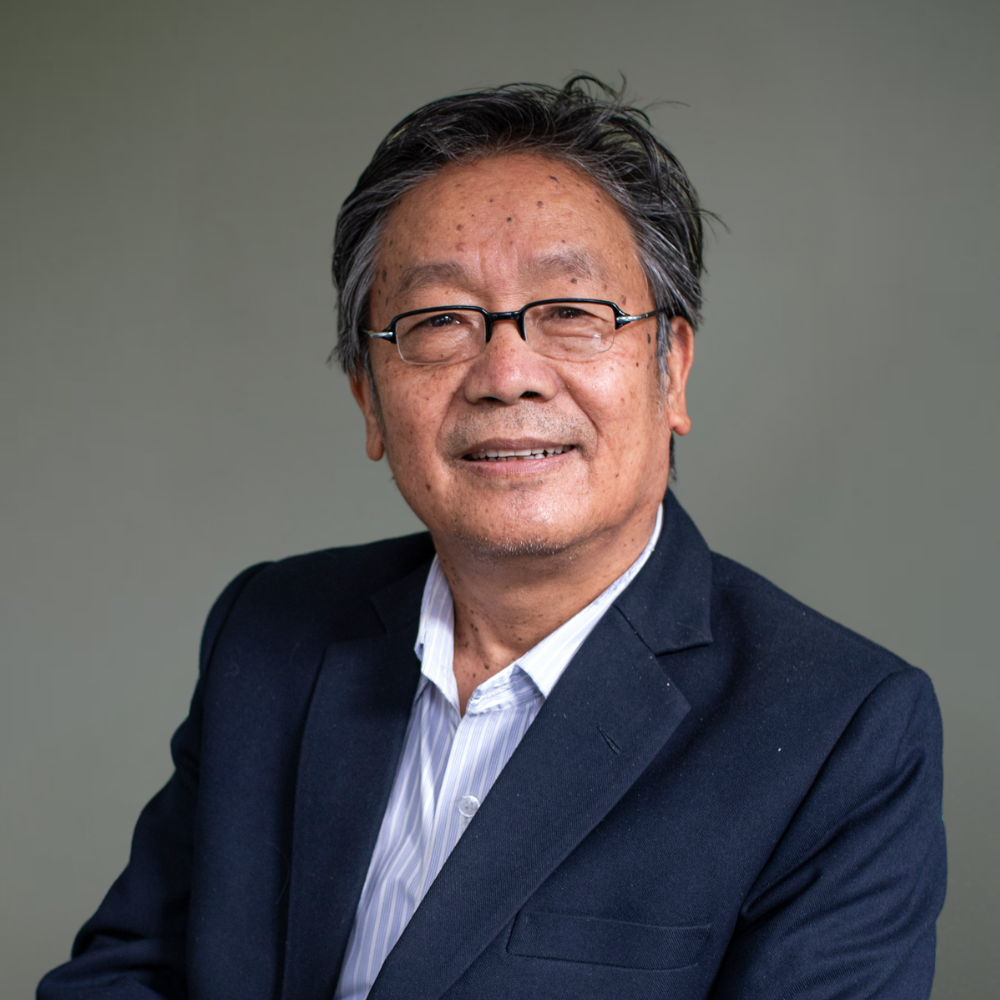
Shankar Man Rai, MD
Surgical Leader, Nepal
Shankar Man Rai, MD
Shankar Man Rai, MD, is a reconstructive surgeon and surgical leader in Nepal dedicated to expanding access to burn and reconstructive care in resource-limited settings. He has played a central role in strengthening local surgical capacity, training providers, and advancing sustainable burn care services in Nepal.
David Kulber, MD, FACS
David Kulber, MD, FACS, is a Professor of Surgery at Cedars-Sinai Medical Center and the Keck School of Medicine of the University of Southern California. He is Director of Hand and Upper Extremity Surgery and has extensive experience in plastic, reconstructive, and hand surgery, with a strong commitment to surgical education, global outreach, and advancing reconstructive care through research and innovation.
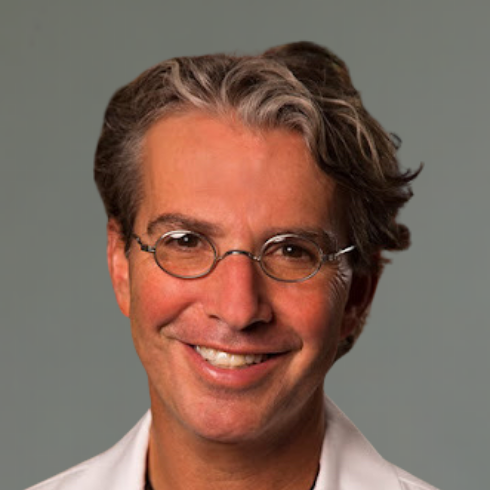
David Kulber, MD, FACS
Professor of Surgery at Cedars-Sinai Medical Center and Keck School of Medicine

Katie Osborn, RN, BSN, MSN, EdD
Professor Emeritus of Nursing
Katie Osborn, RN, BSN, MSN, EdD
Katie Osborn, RN, BSN, MSN, EdD, is a Professor Emeritus of Nursing. Dr. Osborn’s area of expertise includes both critical care burn and general critical care nursing. Dr. Osborn volunteered on 29 medical missions in the developing world.
Dharshan Sivaraj
Dharshan Sivaraj is a medical student at Stanford University School of Medicine.
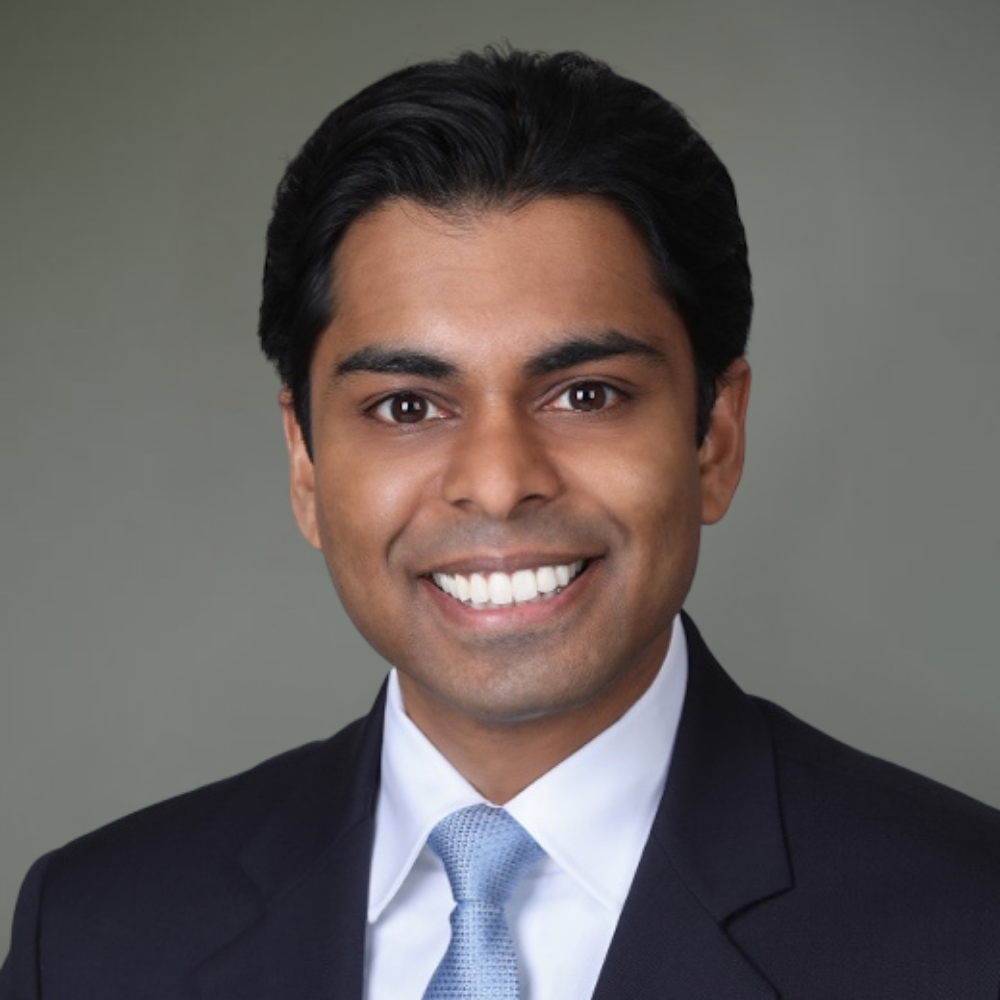
Dharshan Sivaraj
Stanford University School of Medicine
This course is provided by
ReSurge International
ReSurge International is a nonprofit humanitarian organization with over 55 years of experience providing reconstructive surgical care in developing countries. Our mission is to build, scale, and sustain reconstructive surgical capacity to provide life-changing care to those with the greatest need. We train and support local surgical teams across Africa, Asia, and Latin America to sustainably address gaps in surgical care.
Similar courses
Get the SURGhub app
Take your courses with you, and download content to learn offline.


SURGhub





Thank you!
Copyright © 2026
SURGhub is designed primarily for healthcare professionals. Previous medical knowledge is required to understand the contents.The use of any information on this site is undertaken solely at your own risk, and the creators and hosts of this site shall not be liable for any damages, losses, or other injury caused by the use of any information on this site, nor for any reliance on the accuracy or reliability of such information.